The Death of Screen Scraping: The Evolution to Agentic AI
For over a decade, Robotic Process Automation (RPA) platforms like UiPath, Blue Prism, and Automation Anywhere served as the primary bridge over technical debt. When an enterprise had two disjointed software systems, such as an AS400 terminal and a modern web CRM, an RPA bot was programmed to mimic human keystrokes: click here, copy text, open tab, paste data.
However, in 2026, enterprises are actively decommissioning brittle RPA bots in favor of Agentic AI workflows.
Why? Because traditional RPA is inherently fragile. If an ERP updates its button selector, the RPA bot crashes. If an invoice or document schema shifts by a single field, legacy scrapers fail. And worst of all, traditional RPA platforms force businesses into exorbitant $25,000 to $100,000+ annual software license fees just to run simple desktop scripts.
In this deep architectural comparison, we examine why modern B2B businesses are replacing legacy RPA software with Autonomous AI Agents, how both paradigms compare in production, and how your team can migrate to agile, API-first automation.
1. RPA vs. AI Agents: The Core Architectural Difference
The fundamental difference between legacy RPA and Agentic AI comes down to rules vs. reasoning.
| Dimension | Legacy RPA (UiPath / Automation Anywhere) | Modern Agentic AI (ZeroX Architectures) |
|---|---|---|
| Operational Logic | Deterministic & Rigid: Follows strict IF/THEN rules. Cannot handle ambiguity. | Cognitive & Adaptive: Leverages frontier LLMs (Claude 3.7, GPT-4.5, Gemini) for context-aware reasoning. |
| Interface Interaction | Screen Scraping & Virtual Clicks: Relies on Windows desktop VMs and DOM selectors. | API-First & Headless: Direct OpenAPI calls, webhooks, and Model Context Protocol (MCP). |
| Handling Unstructured Data | Brittle: Fails on novel document formats, messy emails, or conversational inputs. | Native: Effortlessly parses scanned PDFs, handwritten receipts, and voice audio. |
| Total Cost of Ownership | High Platform Tax: $20k–$80k/year in platform licenses + dedicated VM hosting. | Zero License Tax: Deploy serverless code; pay only for actual LLM token consumption. |
| Implementation Velocity | 3 to 9 Months: Requires specialized certified RPA engineers. | 2 to 4 Weeks: Fast, modular engineering with LangGraph and Python. |
2. Why Legacy UiPath RPA Is Failing Modern Operations
✦1. The High Cost of "Bot Maintenance"
In traditional RPA deployments, engineering teams spend 40% to 60% of their maintenance hours fixing broken scripts. Every time third-party software updates its UI, the bot stops working. This creates operational downtime and defeats the purpose of automation.
✦2. The Multi-Tenant Licensing Trap
Legacy RPA vendors charge per bot, per orchestrator, and per user seat. As your business scales and automates more departments, software fees compound exponentially. With custom Autonomous AI Agents, your business owns the intellectual property and code outright, running on scalable edge servers with no per-bot software tax.
✦3. Inability to Reason Over Exceptions
When a legacy bot encounters a missing data field on a Bill of Lading or a vendor invoice, it simply errors out and alerts an administrator. An Agentic AI workflow, however, can:
- •Reason about the missing field from surrounding context.
- •Cross-reference past historical orders in your SQL database.
- •Automatically draft a clarification email to the vendor, waiting for their reply before resuming execution.
3. How Autonomous AI Agents Work in Production
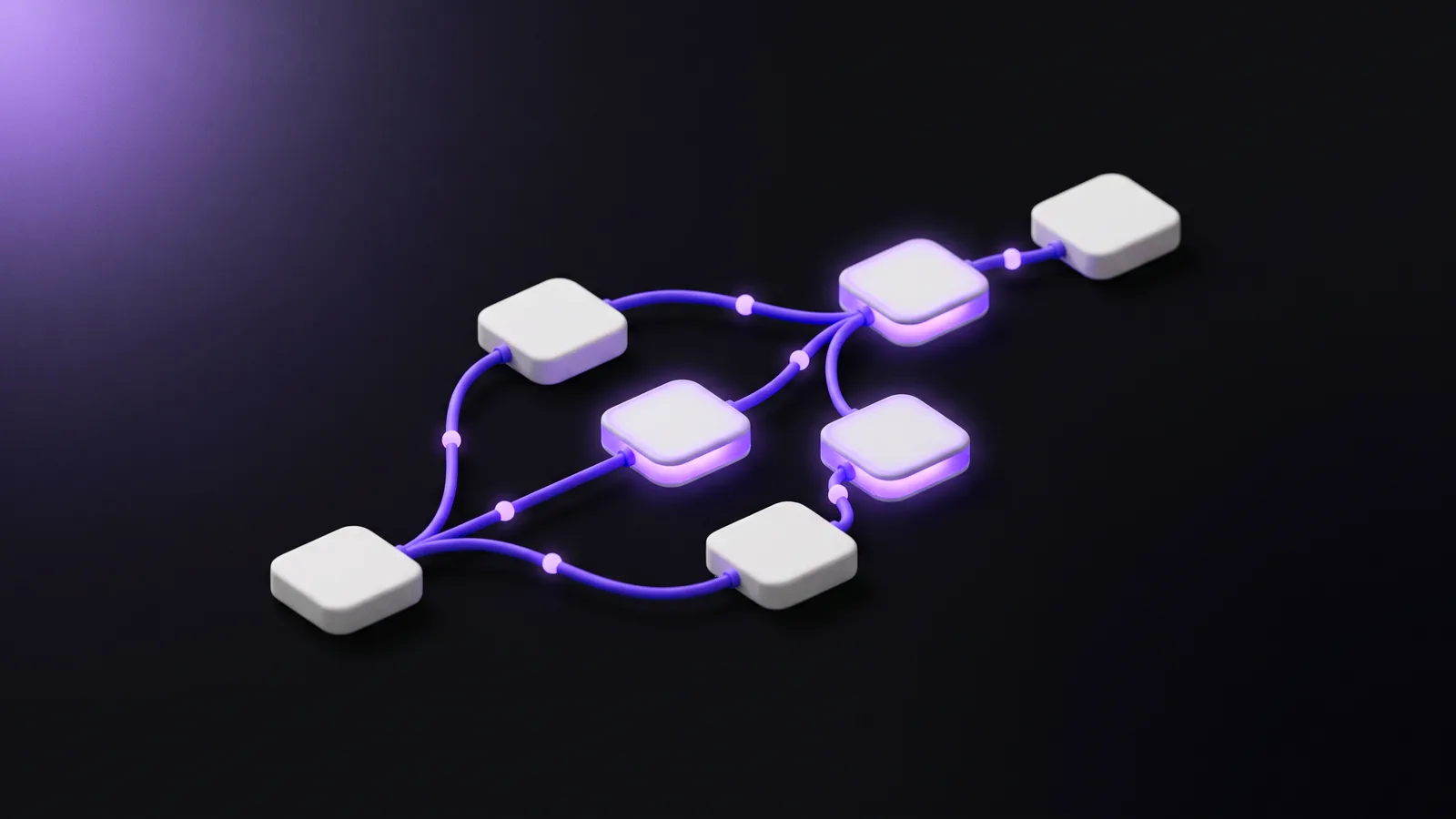
Rather than mimicking human cursor clicks on a virtual machine, modern AI Automation Services utilize multi-agent state machines (powered by frameworks like LangGraph, CrewAI, and MCP):
- •Intake Agents: Ingest live requests across email, SMS, phone calls, or Slack.
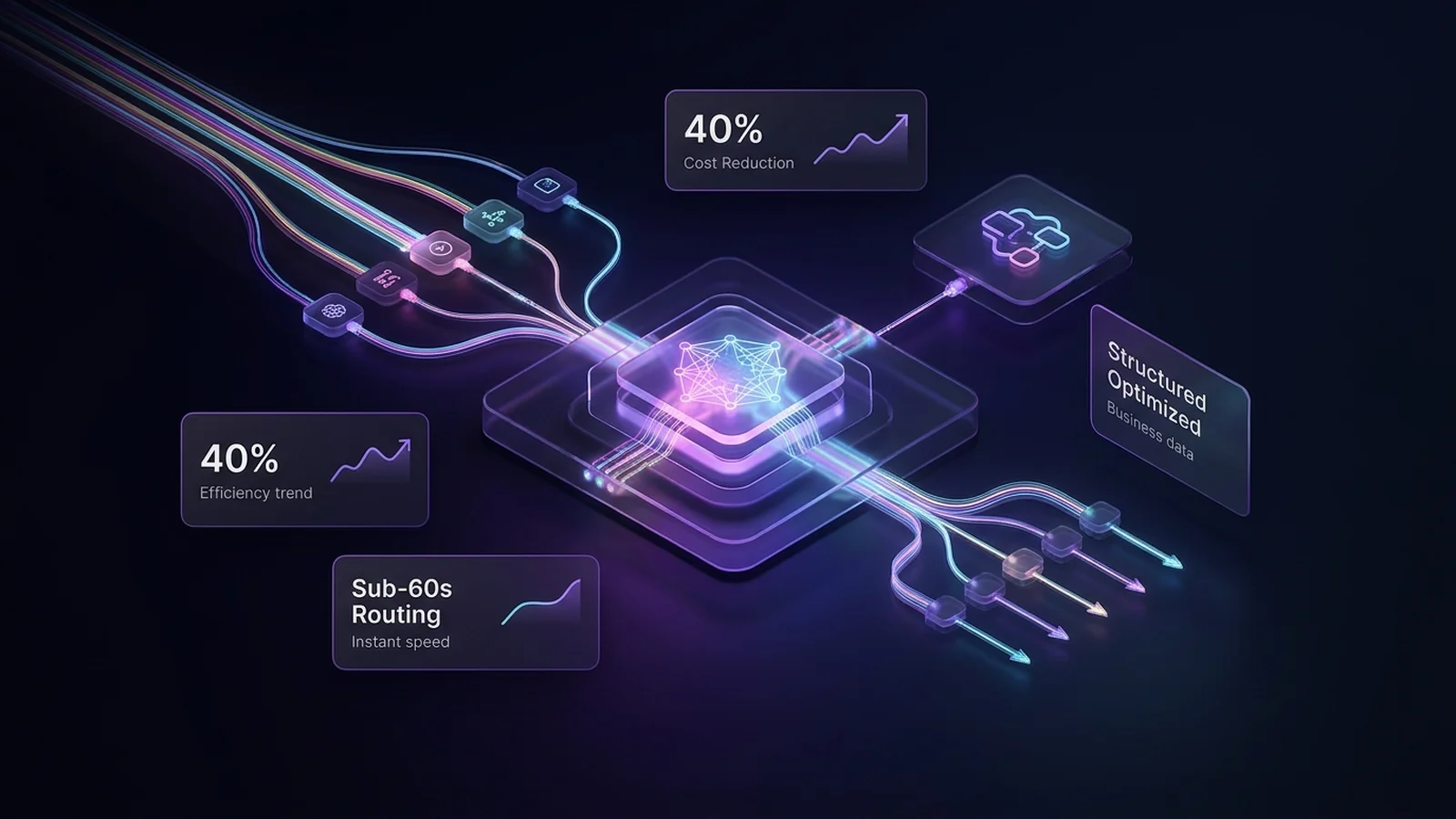
- •Voice & Intake Agents: Handle inbound phone calls and customer inquiries in real time (AI Voice Receptionist) with sub-600ms latency.
- •Reasoning & Verification Agents: Evaluate company policies, compliance checklists, or approval budgets.
- •Execution Agents: Directly update Salesforce, QuickBooks, or custom internal databases via REST APIs.
4. How to Transition from Legacy RPA to Agentic AI
If your business is currently paying thousands in RPA licenses or struggling with brittle automation scripts, here is the recommended 3-step transition blueprint:
- •Audit Your Fragile Bots: Identify which RPA scripts break most frequently due to unstructured inputs (e.g., invoice ingestion, customer email triage, vendor onboarding).
- •Deploy a Proof-of-Concept AI Agent: Replace one high-friction RPA process with an autonomous agent pipeline. Most teams achieve 10x higher throughput within 14 days.
- •Decommission Heavy VMs: Transition away from dedicated Windows automation servers to lightweight, serverless cloud runners, saving tens of thousands in infrastructure overhead.
Ready to Modernize Your Enterprise Operations?
At ZeroX, we design and deploy production-grade autonomous AI agents and high-performance workflow automations engineered specifically for B2B enterprises across the United States and UAE.
Eliminate brittle bots and software licensing taxes today. Schedule an Operations Audit with our AI Architects to evaluate your automation pipeline.